
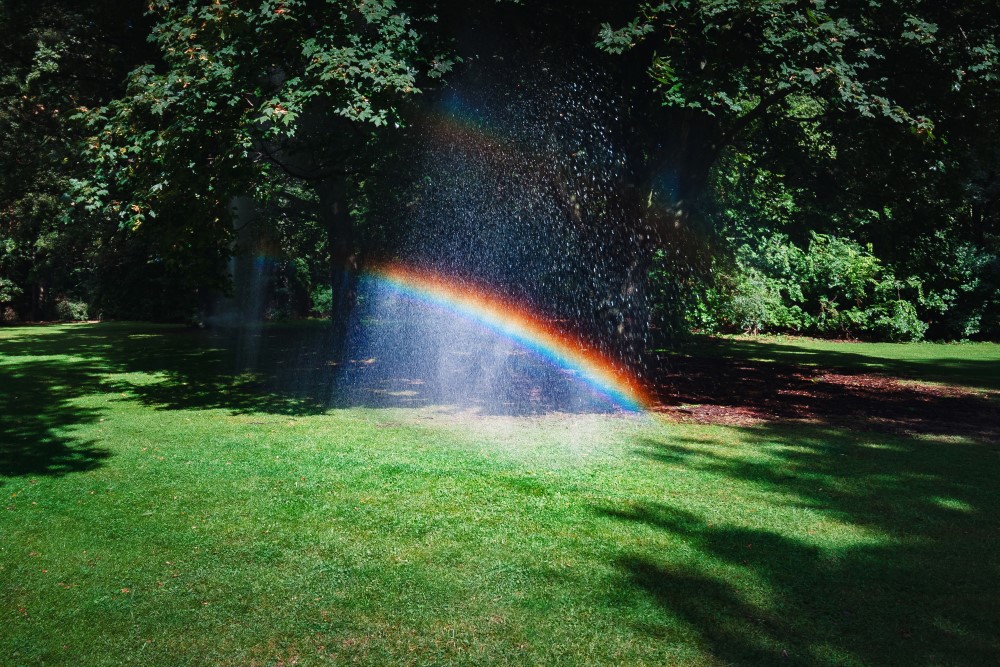
A rain garden sounds like such a lovely, airy-fairy thing, doesn’t it? Perhaps you might find one in the Amazon, or on Pandora.
The streets of Chicago or New York, though? Somehow that seems less likely.
Rain gardens are far from otherworldly, however. In fact, they’re one of the most basic — and most aesthetic — types of green infrastructure, and they have a lot of power to make a difference in your neighborhood, office park, or downtown high-rise.
In this post, we’ll take a look at the function and design of rain gardens. We will also discuss their benefits and a step-by-step guide for adding a rain garden to your space.
What Is a Rain Garden?
Unchecked stormwater is one of the biggest problems in urban areas. When rain and snowfall onto impermeable surfaces such as asphalt or concrete, they become runoff that rages through cities, bringing dirt and pollutants along for the ride.
Rain gardens, as the name suggests, are designed to trap precipitation before it can Hulk out and wreak its path of urban destruction.
A rain garden can be as simple as a collection of plants placed in a depression, such as a swale or shallow basin, to help trap precipitation when it falls. For bigger areas or those with higher levels of rainfall, you can add drainage systems and more complex layers to manage the extra load.
Oh, and hey: They clean that water while they’re at it.
“Rain gardens are effective in removing up to 90 percent of nutrients and chemicals and up to 80 percent of sediments from the rainwater runoff,” explains Groundwater.org. “Compared to a conventional lawn, rain gardens allow for 30 percent more water to soak into the ground.”
As we like to say, our goal should be to make our cities more like sponges. Every little pocket we create to trap stormwater stops it from heading elsewhere, and each rain garden is one such pocket.
Benefits of Rain Gardens
In addition to stormwater management, rain gardens boast a number of additional benefits, including:
- Flood protection: By retaining and detaining water, rain gardens help to minimize the chances of flood on the property and in nearby areas.
- Improved water quality: Dirty water goes in, and clean water comes out, which means that large enough concentrations of rain gardens can make a real difference.
- Ecological refuges: Birds, pollinators, and small animals can make homes in rain gardens, bolstering urban ecology and bringing life to your green space.
- Beautified homes or businesses: Who doesn’t prefer a garden to a hunk of cement or an ugly storm drain in the ground? No one, that’s who.
The only remaining question is, how do you get started?
The Step-by-Step Guide to Getting Started
The process of installing a rain garden is simple, but it’s not easy, requiring a good deal of know-how. Nevertheless, here’s a basic breakdown.
Choose the Site
You’ll need an area into which you can carve a swale or a depression. It’s ideal if this low-lying point already tends to gather water, but not necessary.
Test the Soil
Well-draining soil is key to a rain garden. You can replace it if needed, but you have to know what you’re working with in terms of drainage and nutrients.
Design the Garden
How do you want the rain garden to look? There exist any number of ways to design them, so your preferences matter. This isn’t a cookie-cutter approach (at least not when you work with a company like Ecogardens).
Handle Overflow
Sometimes rain and snowmelt are too much for your rain garden to handle; there’s simply not enough room in the depression to catch it all. In that case, what happens to the overflow?
A good rain garden has a plan for this, so that water still leaves in a controlled manner. Otherwise, you risk erosion and stormwater runoff.
Add Filtration and Growing Media
The best rain gardens use layers of filtering materials and growing media that are designed to soak up maximum water, then dry quickly. Even if you have amenable soil, you will still need to choose these materials carefully.
Choose the Right Plants
What kinds of plants do you like? How many plants will you need? Which of your favorite choices work well together? Do they play nicely in your area/climate? These are questions you’ll need to answer before planting, but never fret; it’s not as hard as it looks.
Pray for Rain
I mean, you don’t have to pray for rain. You can just sit pretty, content in the knowledge that you’re ready for it in a way you never were before.
Don’t Forget to Reap the Benefits
Install a rain garden? Reap the benefits.
Green infrastructure credits and tax breaks vary from area to area, but many municipalities offer incentives for greening up your property. For instance, in Grand Rapids, the Stormwater Credit Trading Program is a must-know for anyone who puts in a green roof, rain garden, or other form of stormwater management system.
This doesn’t just go for homeowners and business owners, though. The perks are magnified when groups work together. For instance, if an HOA or a business district pooled its resources for green infrastructure, you can make an even bigger impact through bigger installations: floating wetlands or retention ponds, for example.
Point being? Check with your local government and see what’s on offer, then enjoy the rewards.
Can You Put in a Rain Garden Yourself?
So, can you follow all these steps and put in a rain garden yourself? Totally. But should you?
That’s a more complicated question, because without the right knowledge and qualifications, you might just end up designing a pretty garden. While gardens are great (no one is a bigger fan of them than EcoGARDENS), your bog-standard patch of plants just isn’t the same as a true rain garden.
Mostly because it won’t necessarily handle being a bog well … which rain gardens are perfectly suited to do. This is a critical point.
A rain garden isn’t simply a place where water can pool; it’s not a pond or a wetland. Rather, it’s a specially designed area that holds water for a day or two, then releases it in a controlled manner quickly. Don’t worry: You’re not paying for a glorified mosquito hatching ground, but for a true green infrastructure installation.
… which is a little more complicated than it sounds.
Ecogardens: The Help You Need for the Green Space You Want
All of which is to say, it’s best to get professional help.
If you’re ready to learn more about rain gardens and what they can do for you, we invite you to get in touch with Ecogardens today.