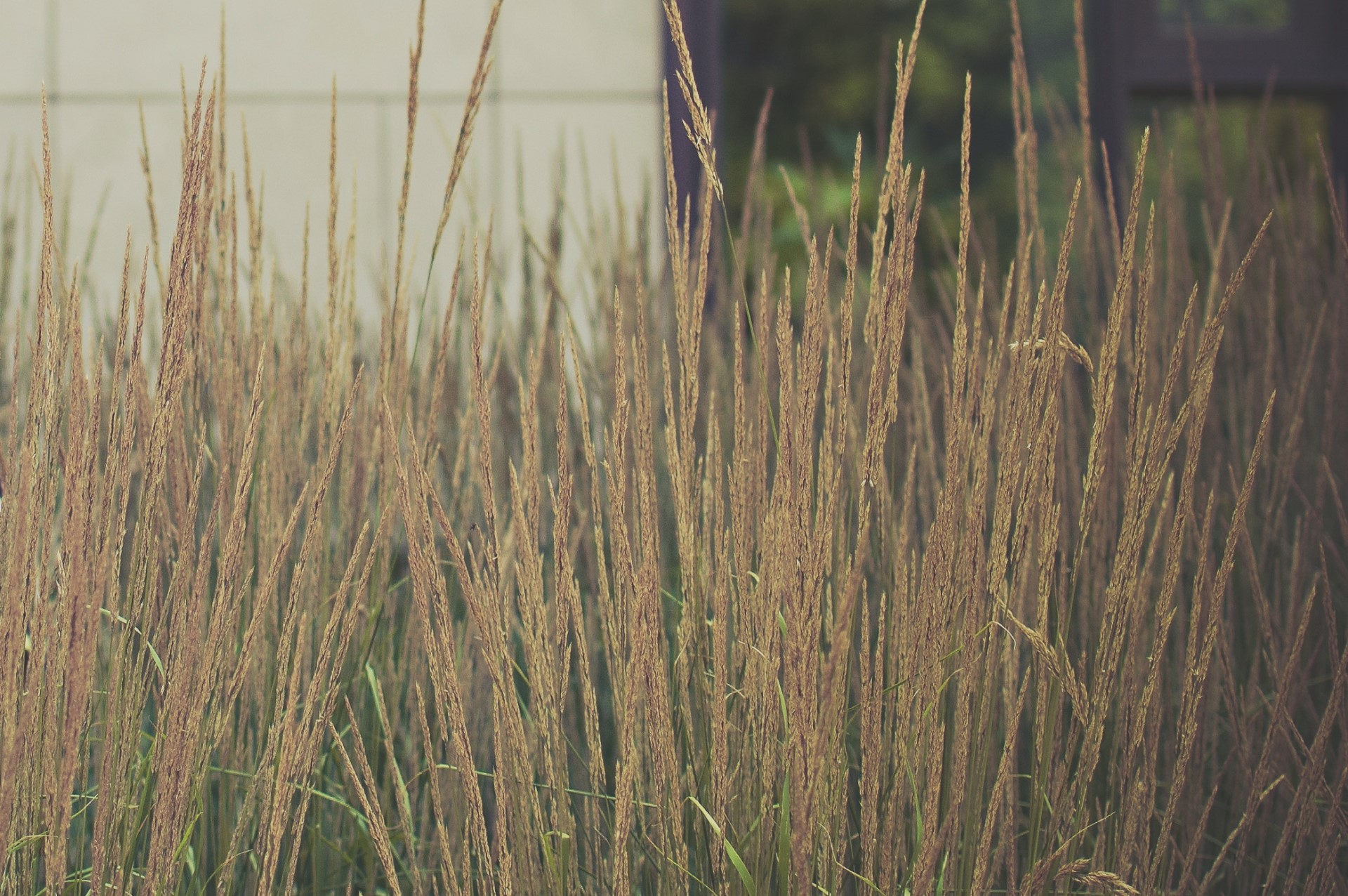

How to Increase Genetic Diversity Through Native Gardening

Posted by Ecogardens


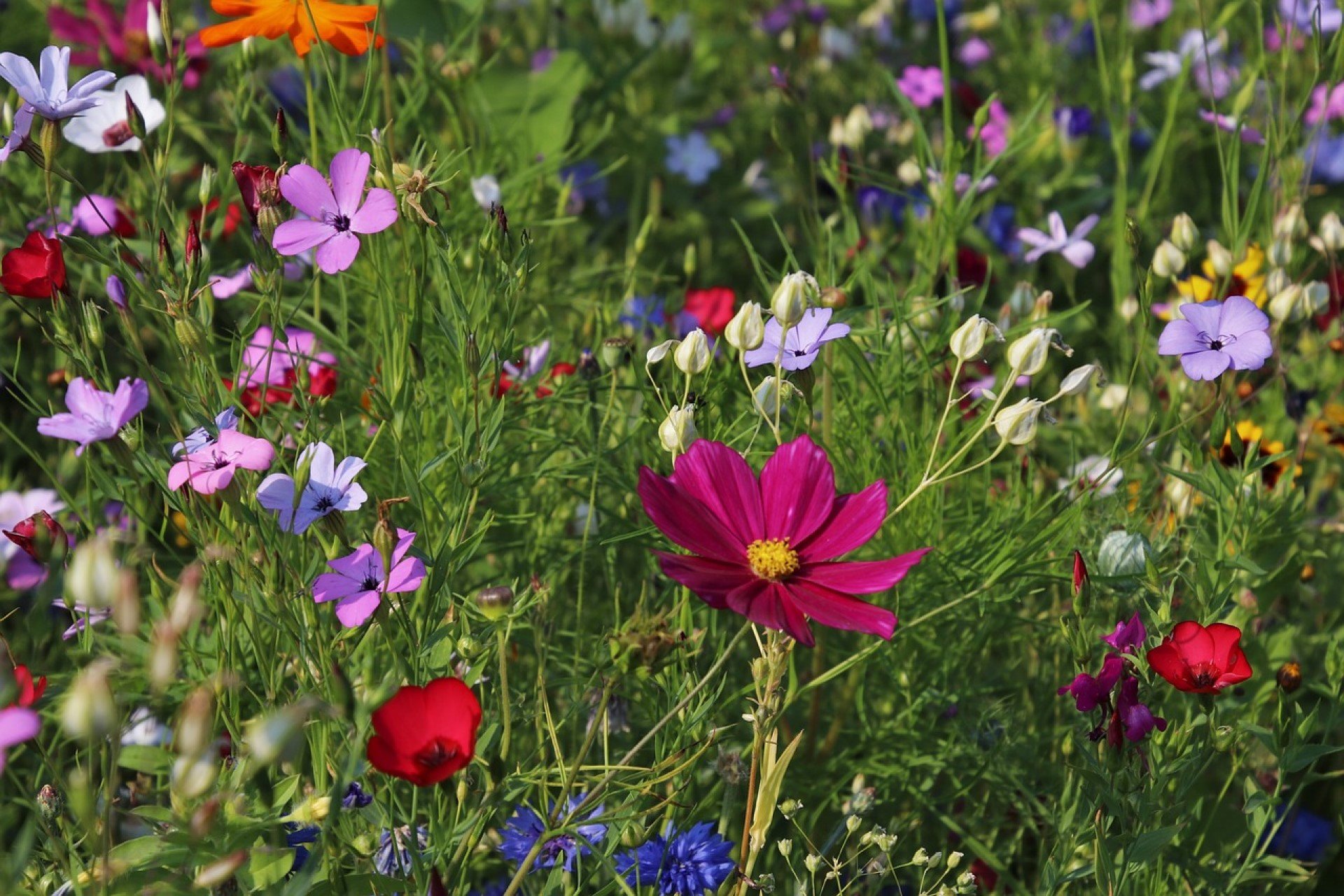
Genetic diversity is critical to the long-term health – and even survival – of the ecosphere. Here’s how to make a difference through native gardening.

Native gardening.

If it hasn’t yet fired your imagination, we don’t blame you.

For one thing, smelly hippies talk about like all the time.

Also offputtingly, it seems to fuel a whole new spendy sector of Big Horticulture, and who wants to give their dollars to that?

And perhaps of greatest concern for the devoted gardener, it just seems so … leafy. I mean, can we get a flower once in a while?

These are some of the most prevalent myths about native gardening: that it’s crunchy, that it’s expensive, that it’s boring.

That’s not necessarily true, though. Native gardening is much more than a dry fad promulgated by back-to-the-landers who have no real concept of the urban environment; it’s one of the most important things you can do to help the world, reduce monoculture in cities, create broader-sweeping green infrastructure on roofs and in built environments, and increase genetic diversity today.

And you can do it right at home.

Read More

Topics: Green Infrastructure

Should You Use Cultivars in a Pollinator Garden?

Posted by Ecogardens


Cultivars are everywhere in nurseries and garden centers, but should you use them in a garden geared toward pollinators? Spoiler alert: no, and here’s why.

So you want to plant a pollinator garden. You like the idea of the birds and the bees hangin’ out right beyond your living room window or just past the kitchen stoop. Heck, the butterflies and beetles are welcome to join the show as well! Let’s get alllllll pollinated up in here.

Only one problem:

You’re not using the right plants.

Whoopsie.

This is a common mistake that new gardeners make. It even happens to experienced green thumbs, who are used to making seasonal (or monthly, or weekly, or daily … ahem, never mind) trips to the garden center. The problem can be summed up in a single word: cultivars. And when it comes to a healthy pollinator environment, cultivars just don’t play nice.

Read More

Topics: Pollinators

Who Is Involved in Building a Green Roof?

Posted by Ecogardens


Building a green roof is a complex process that involves many stakeholders and experts. Here’s a quick breakdown of whom you can expect to work with on a green roof project.

So you’re ready for a green roof.

Maybe you’re in it for the energy savings. Perhaps you dream of taking your weekend cocktail on a rooftop patio surrounded by cute little plants. Maybe you just live for those bucolic duck moments … 40 stories up.

We’re cool with any and all of that – and we’d love to help.

First, though, it’s important to understand how the process works and who’s involved. Let’s take a look now.

Read More

Topics: Green Roofs

What Is the Difference Between a Native, Nativar and Cultivar?

Posted by Ecogardens


When deciding what to plant in your garden or on your green roof, there’s a lot to choose from, and a lot of classifications into which those plants fall. Here’s a look at natives, nativars and cultivars to help you make better decisions.

Figuring out what to plant in your garden is a chore, that’s for sure.

For some of us, it’s a joy. The winter calm, during which we can pore over gardening magazines and pick the old favorites and new experiments, is always a welcome respite.

For others, though, it’s an existential nightmare: The bees are dying and I need to help them! Which plants don’t require chemicals? Can I find specimens that meet my aesthetic needs while still helping the planet??

If this is a frequent freakout for you, you’re not alone. Dire news about the environment gushes from the media, while garden centers are simultaneously promoting an increasing variety of “native” options. The whole time, experts are giving those “natives” the side-eye … but why? And what is their place in gardening, green roofing and green infrastructure in general?

The confusion boils down to a new invention of the industrial botanical complex: the nativar.

This is distinct from natives and cultivars, both of which you’re likely familiar. In order to make the best possible decisions about what to plant in your urban garden, you need to understand the difference between the three.

Lucky you: We’re here to help.

Read More

Topics: Green Infrastructure

How to Make Our Cities More Like Sponges

Posted by Ecogardens


Read More

Topics: Green Infrastructure

What Are The Top Benefits Of Urban Gardens?

Posted by Ecogardens


If you’ve heard the phrase “urban garden” once, you’ve heard it a thousand times. But what exactly do these little microsystems involve, and what are their benefits? We’re so glad you asked.

We were going to ask if you’d prefer a lush patch of native greenery or a scrubby quarter-acre of dirt, but then we thought maybe our enthusiasm for rhetorical surveys had gone too far.

Sometimes you just gotta lay it on the line:

We all love dirt.

Well, no. Well, yes. Soil is amazing and important and full of miracles. But also it’s super nice when things are growing on top of it, à la urban gardens. In addition to being just plain pretty, city greenspaces can provide a huge range of benefits to us and our non-human compatriots here in the urban arena … which is why we need to prioritize them today.

But first, juuuuuust so we’re on the same page, what exactly are we talking about here?

Read More

Topics: Green Infrastructure

What Are the Layers of a Green Roof?

Posted by Ecogardens


Green roofs require specific materials in order to protect the building roofing/waterproofing, retain/detain, and drain stormwater, and grow healthy plants. Here’s a quick rundown.

Looking at a green roof, it’s easy to imagine someone just stuck some plants and a little soil on top of a bare rooftop, dusted off their hands and called it good.

Because we can’t see underneath the surface, we often forget to think about the rest. Indeed, some professionals fail to use the proper materials or install green roof layers in the correct order.

That, we hardly need tell you, is no Bueno. No Bueno at all.

As with everything else, the first step is understanding. So here’s a quick look at the layers of a green roof, so you can be sure yours is performing and protecting as best it can.

Read More

Topics: Green Roofs

How to Choose the Best Stormwater Solutions

Posted by Ecogardens


Stormwater solutions come in many forms, but they share the goal of keeping more stormwater on site and purifying the runoff that does eventually leave.


Raise your hand if you watched FernGully: The Last Rainforest as a child. With your children also counts. So does alone, as an adult, with a glass of wine in hand, just for fun.

Point being, if you watched it, you’re familiar with a nasty little character named Hexxus, the personification of pollution. (Side note: Should children really be watching this?)

Now change his name to Stormwater, and you have a pretty accurate representation of how we feel about this urban annoyance.

Scratch annoying, actually. Stormwater runoff and the pollution it carries into streams and waterways are more than a nuisance; stormwater is downright evil. Eroding streambanks, spreading disease and carrying metropolitan toxins far afield, it is at the top of our must-manage priority list.

We’re taking it seriously. Here are a few stormwater solutions we’re looking into today.

Read More

Topics: Stormwater Management

What Is the Best Green Roof Media Type?

Posted by Ecogardens


Growing media nourishes green roof plants and helps detain stormwater, but what form does that media take – and which is best for your roof?

Which media to use while building or maintaining a green roof is a question with many possible answers today. While choice is a good thing, it also leads to confusion and analysis paralysis.

Don’t worry; we’re not judging. “Analysis paralysis” is sometimes our middle name.

Yet in the case of green roof media, we can’t afford that. Choosing the best media type during the initial stages of green roof design is critical for the roof to function at its best, detain and retain stormwater with maximum efficiency, and enable future stewardship.

So here’s your brief primer on the best green roof media type, so whip out that notepad (or the tablet that’s already wired to your brainstem) and let’s get started.

Read More

Topics: Green Roofs

How to Combine Solar Panels and Green Roofs

Posted by Ecogardens


Biosolar, or the combination of solar panels and green roofs, is shown to increase the effectiveness of both technologies as compared to each when used independently.

Despite the amazing advancements we’ve made with sustainable rooftop technologies, many people still hold onto archaic beliefs. In all fairness, that’s to be expected in a field that moves quickly and is populated by nerds.

Hey, we’re not throwing stones here. Our house is super glass, ifyouknowwhatwemean.

One of the biggest misunderstandings relates to photovoltaic (solar) panels and green roofs. Specifically, most people are under the impression that they’re mutually exclusive, that they can’t be combined – and that’s just not true.

Read More

Topics: Green Roofs